







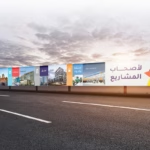






Riyadh’s retail landscape is changing fast. New malls, mixed-use developments, and high streets across districts like Olaya, Al Nakheel, and King Abdullah Financial District are competing for the same shoppers, and the difference between a store that gets noticed and one that gets walked past often comes down to what catches the eye first. Digital signage has become one of the sharpest tools retailers have for winning that first glance — bright, dynamic displays that can shift a promotion in seconds, react to time of day, or spotlight a new product line the moment it lands. As Saudi Arabia’s retail sector expands under Vision 2030 and consumer expectations rise alongside it, more brands in the city are asking a practical question: does digital signage actually bring more people through the door? This article looks at how digital displays are reshaping foot traffic patterns in Riyadh’s stores and shopping centers, the data behind the trend, and what retailers should know before investing in one.

What is retail digital signage?
Retail digital signage refers to electronic displays, such as LCD or LED screens, digital posters, video walls, or interactive kiosks, used within retail environments to communicate marketing messages, product information, and promotional content to customers. Unlike traditional printed signs, digital signage displays content electronically, allowing retailers to update messaging in real time without the need for physical reprinting. This can include anything from a single screen showcasing rotating promotions to a network of connected displays spread across multiple store locations, all managed centrally through content management software.
At its core, retail digital signage serves as a dynamic communication tool that bridges the gap between a brand and its customers at various touchpoints throughout the shopping journey. It’s commonly used in storefronts to attract passersby, at entrances to welcome shoppers, along aisles to highlight specific products, near checkout counters to encourage last-minute purchases, and even in fitting rooms or waiting areas to enhance the overall customer experience. Content displayed can range from simple product advertisements and pricing information to more sophisticated formats like video campaigns, social media feeds, wayfinding maps, and interactive touchscreens that let customers browse catalogs or check inventory themselves.
What sets retail digital signage apart is its flexibility and responsiveness. Retailers can schedule content changes based on time of day, day of the week, or specific events, and many systems integrate with data sources like inventory management or point-of-sale systems to display real-time information such as stock availability or current pricing. As retail environments become increasingly digital and customer expectations continue to rise, digital signage has evolved from a simple advertising tool into a strategic asset that supports branding, customer engagement, and sales performance across the entire retail experience.
What are the benefits of digital signage?
Digital signage offers retailers a level of flexibility and impact that traditional signage simply can’t match, making it one of the most valuable investments a modern store can make. One of its biggest advantages is the ability to update content instantly, whether that means changing a promotion, adjusting pricing, or swapping out messaging entirely, all without the time, cost, or waste involved in printing new materials. This means retailers can respond quickly to changing inventory, seasonal trends, or last-minute campaigns, keeping their messaging fresh and relevant at all times. Digital displays are also far more effective at capturing attention than static signs, since movement, color, and video naturally draw the eye in busy retail environments where customers are bombarded with visual stimuli. This increased engagement often translates into longer dwell times, more product interaction, and ultimately stronger conversion rates. Beyond attracting attention, digital signage enhances the overall customer experience by making it easier for shoppers to find information, navigate a store, or discover promotions without needing staff assistance, which reduces friction and creates a smoother shopping journey. It also allows for highly targeted messaging, since content can be tailored based on the time of day, location within the store, or even the specific audience passing by, ensuring the right message reaches the right customer at the right moment. From a business perspective, digital signage supports better decision-making through data. Many systems allow retailers to track which content performs best, test different layouts or offers, and refine strategies based on real results rather than assumptions. It also reinforces brand identity by delivering consistent, high-quality visuals across multiple locations. Taken together, these benefits make digital signage a powerful tool not just for driving sales, but for building a more responsive, engaging, and data-informed retail environment overall.
Why is signage important in retail?
Signage is often the first point of contact between a retail brand and a potential customer, making it one of the most powerful yet underrated tools in a store’s marketing arsenal. Before a shopper ever steps inside, signage communicates who a brand is, what it sells, and why it’s worth stopping for. In busy commercial areas, where dozens of storefronts compete for attention within the same stretch of pavement, effective signage acts as a silent salesperson working around the clock. It shapes first impressions, builds brand recognition, and can be the deciding factor between a passerby entering a store or continuing on to a competitor. Beyond simply announcing a business’s presence, signage plays a functional role in guiding customer behavior. Clear, well-placed signs help shoppers navigate a store, locate promotions, and understand pricing or product information without needing to ask staff, which improves the overall shopping experience and reduces friction at the point of decision. Signage also reinforces brand identity through consistent use of colors, fonts, and messaging, helping retailers build recognition that extends beyond a single visit. This is especially important in markets with high retail density, where consistency helps a brand stand out amid visual clutter. Additionally, signage influences purchasing decisions directly, since in-store displays and promotional signs are frequently used to highlight discounts, new arrivals, or limited-time offers, prompting impulse purchases that might not otherwise happen. As retail environments become more competitive and increasingly digital, the role of signage has expanded from static displays to dynamic, interactive formats that can adapt content in real time. Regardless of format, the core function remains the same: signage bridges the gap between a business and its customers, communicating value quickly and effectively in an environment where attention spans are short and choices are abundant.
Does digital signage increase sales?
The short answer is yes, though the size of the impact depends heavily on how digital signage is used. Numerous industry studies suggest that digital displays can lift sales by drawing attention to specific products, promotions, or bundles at the exact moment a customer is deciding what to buy. Unlike static signs, digital displays can change content instantly, allowing retailers to highlight best-sellers, clear out slow-moving inventory, or promote time-sensitive discounts without the cost and delay of reprinting materials. This flexibility means messaging can be tailored to the time of day, current stock levels, or even weather conditions, keeping promotions relevant and timely in a way that static signage simply cannot match. Digital signage also tends to capture attention more effectively than traditional signs. Motion, color, and video naturally draw the eye, and this increased engagement often translates into longer dwell times in-store, more product interaction, and higher conversion rates at the point of sale. Placed strategically near checkout counters, entrances, or high-traffic aisles, digital screens can prompt impulse purchases by reminding shoppers of complementary products or limited-time deals they might not have otherwise considered. Beyond individual transactions, digital signage supports upselling and cross-selling strategies by showcasing related products or premium alternatives right when customers are already engaged in the buying process. It also allows retailers to test different messages, layouts, or offers quickly, using data to refine what actually drives purchases rather than relying on guesswork. That said, digital signage isn’t a guaranteed sales booster on its own. Its effectiveness depends on relevant content, thoughtful placement, and integration with the overall customer journey. When used strategically, digital signage doesn’t just capture attention, it can meaningfully influence purchasing decisions and contribute to measurable increases in sales performance.
Signage and digital signage in Tamrone Arabia
Tamrone Arabia (تامرون العربية), officially Tamrone Arabia Ltd, is a Riyadh-based company offering integrated advertising, signage, and structural contracting services across Saudi Arabia, with experience in the market dating back to 2003. The company positions itself around a blend of engineering expertise and creative execution, delivering solutions that range from digital billboards to large-scale structural advertising work. Its core offerings are organized into three main areas. The first is digital billboards, where Tamrone designs, manufactures, and installs LED advertising screens in a variety of sizes and formats using current display technology. The second is broader advertising and promotional services, including large-format printing, exhibition design, and the execution of outdoor advertising campaigns for clients. The third, somewhat distinctive area is “advertising fencing” or hoarding work, where Tamrone provides full engineering and construction support for construction-site advertising fences, handling everything from the concrete foundation work to digital printing and final installation. Across its service lines, the company emphasizes a few consistent priorities: high-quality execution and durable installations, safety-first practices during fabrication and on-site work, and strict compliance with Saudi regulatory standards. It also highlights fast turnaround and adherence to agreed project timelines, along with a focus on long-term client relationships built through responsiveness and ongoing support. Tamrone lists a notable client roster that includes names such as Al Rajhi and the National Housing Company (NHC), suggesting experience working with large, established organizations on structural and advertising projects. Overall, Tamrone Arabia presents itself less as a pure digital signage vendor and more as a full-service advertising and structural contractor, with digital LED signage as one part of a wider portfolio that also covers physical construction and large-format print advertising.